
Articles For You
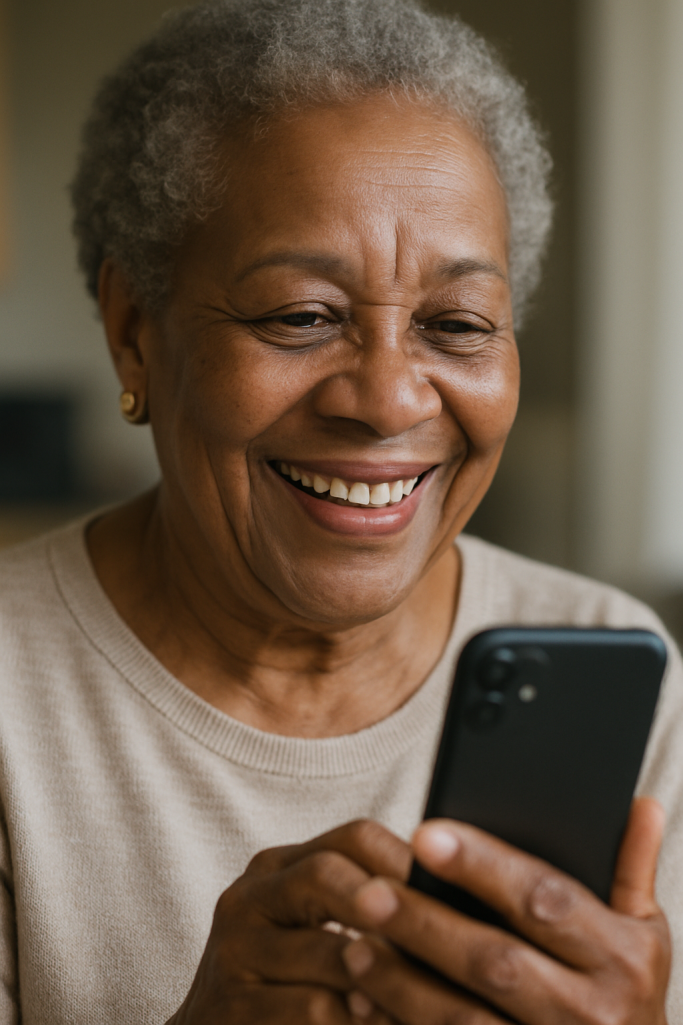
3 Cellphone Apps That Seniors Must Have in 2026
Technology continues to evolve at lightning speed, but its greatest value lies in how it improves our everyday lives — especially for seniors who want to stay connected, healthy, and safe. The right mobile apps can transform a phone into a powerful tool for independence, learning, and joy. As we move into 2026, here are three essential apps every senior should consider downloading to make daily living easier and more enjoyable.
1. Medisafe - Your Personal Medication Manager
Why It’s Important:
For many older adults, keeping track of multiple prescriptions and dosages can be overwhelming. Medisafe has become one of the most trusted medication management apps in recent years, offering seniors peace of mind through simple organization and timely reminders.
Key Features:
- Personalized medication schedules: Enter your prescriptions, doses, and times, and the app sends reminders for each pill you need to take.
- Caregiver notifications: A trusted family member can receive alerts if a dose is missed.
- Pharmacy and refill tracking: The app reminds you when it’s time to refill a prescription, reducing last-minute trips or missed doses.
- Integration with health apps and wearables: Sync your medication data with your smartwatch or health tracker to monitor heart rate, blood pressure, and glucose levels.
Why Seniors Love It:
Medisafe’s clean interface and large buttons make it senior-friendly, and its colorful visuals make staying on track with medications almost effortless. It provides reassurance for both users and caregivers, creating a sense of security that technology is working for them, not against them.
2. BeMyEyes — Vision Assistance with a Human Touch
Why It’s Important:
Many seniors experience some level of vision decline, which can make reading labels, sorting mail, or identifying household products challenging. BeMyEyes is a free, innovative app that connects visually impaired users with volunteers around the world through live video chat.
Key Features:
- Instant visual assistance: Simply open the app, tap “Call a Volunteer,” and you’re connected with someone who can see what your camera shows and describe it to you.
- Professional support: In 2026, BeMyEyes has expanded its “Specialized Help” service, allowing users to connect directly with customer service agents from companies like Google, Microsoft, and healthcare providers.
- 24/7 availability: No matter the time zone, a volunteer is always ready to help within second.
Why Seniors Love It:
It’s not just about practical help—it’s about connection. Seniors who use BeMyEyes often report a renewed sense of independence and community. They can safely navigate tasks that once felt frustrating or inaccessible, all with the support of compassionate volunteers. The app also helps combat loneliness, offering spontaneous, meaningful human interactions.
3. Magnify Wellness — Your Companion for Mental and Emotional Health
Why It’s Important:
As mental health awareness grows, seniors are realizing that emotional well-being is as crucial as physical health. Magnify Wellness is a powerful mental-wellness app designed to help users manage stress, track moods, and connect with professional support—all in one place.
3 Cellphone Apps That Seniors Must Have in 2026-cont
Key Features:
- Mood journaling and reflection: Users can record how they feel each day and visualize their emotional trends over time.
- Free virtual counseling resources: The app offers access to online mental-health support and crisis hotlines tailored for seniors.
- Meditation and relaxation tools: Guided breathing exercises, calming sounds, and mindfulness sessions promote better sleep and reduce anxiety.
- Community connection: Magnify Wellness features safe chat spaces for older adults who want to share experiences or encourage others.
Why Seniors Love It:
The app is free and has a warm, uplifting design with easy navigation. It encourages seniors to take small, daily steps toward maintaining mental clarity, gratitude, and resilience. Many seniors report feeling more optimistic and empowered after just a few weeks of consistent use.
Bonus Tip: Keep It Simple and Safe
When installing new apps, seniors should always check that the app comes from a verified source such as the Apple App Store or Google Play Store. Avoid apps that request unnecessary permissions, and if in doubt, ask a trusted family member or friend to assist with setup. Many phones also have built-in accessibility features—like voice commands, magnifiers, or text-to-speech tools—that can make app use even easier.
The Bottom Line
Mobile technology is no longer just for the young—it’s for everyone who wants to live smarter, safer, and more independently. Apps like Medisafe, BeMyEyes, and Magnify Wellness show how innovation can meet compassion, empowering seniors to take control of their health, stay connected to others, and nurture their well-being. In 2026, the most valuable app isn’t the one with the flashiest design—it’s the one that brings comfort, confidence, and care right to your fingertips.

The Gifts of Woodworking
Woodworking is one of those timeless activities that combines creativity, skill, and relaxation into a single meaningful pastime. For seniors, it offers far more than a way to pass the time—woodworking strengthens the mind, nurtures the body, and enriches emotional well-being in ways few hobbies can match. Whether someone is crafting a birdhouse, turning a bowl on a lathe, or sanding down an heirloom piece to restore it, woodworking provides a fulfilling experience that keeps older adults active, inspired, and connected. The following are some gifts of woodworking:
1. A Powerful Way to Stay Mentally Sharp
One of the most meaningful benefits of woodworking is its impact on cognitive health. The process of planning a project, measuring, selecting tools, and assembling pieces requires active problem-solving and attention to detail. These mental tasks stimulate neural pathways, helping keep the brain agile.
For seniors who want to maintain cognitive function as they age, woodworking acts almost like a “mental gym.” Studies consistently show that engaging in hands-on, mentally challenging hobbies helps support memory, focus, and overall mental clarity. Even small projects—like picture frames, shelves, or toys—encourage older adults to think critically and creatively through each step.
2. Physical Activity That Supports Mobility
Many seniors look for activities that keep them moving without putting too much strain on the body. Woodworking fits this need beautifully. From standing at a workbench to gently using hand tools, the activity encourages steady, low-impact movement.
Tasks like sawing, sanding, drilling, and assembling pieces help improve:
- Grip strength
- Hand-eye coordination
- Fine motor skills
- Upper-body mobility
Seniors can work at their own pace and adapt their workspace for comfort and accessibility. Adjustable benches, cushioned mats, magnifying lights, or padded stools help make woodworking a safe, enjoyable physical routine.
3. A Path to Creativity and Personal Expression
For many older adults, creativity becomes more important with age. Woodworking offers the opportunity to imagine something and bring it to life with your own hands—a deeply rewarding experience.
Seniors can choose projects that match their abilities and interests, from simple decorative items to intricate furniture. Whether someone enjoys carving, turning, building, or restoring, woodworking provides endless room for creativity. The sense of pride that comes from completing a project—no matter the size—often boosts confidence and motivates seniors to keep exploring new ideas.
The Gifts of Woodworking-cont.
4. Stress Relief and Emotional Well-Being
There’s something uniquely calming about working with wood. The natural textures, the rhythmic motion of sanding, the smell of sawdust, these sensory experiences help create a soothing environment!
Woodworking allows seniors to focus on a single task, clearing the mind of stress and distractions. This meditative quality helps reduce anxiety and promotes emotional balance. Many seniors report feeling a sense of peace, accomplishment, and renewal after spending time in their workshop.
Additionally, creating something tangible can offer emotional meaning. A handcrafted gift for a grandchild or a custom piece for the home becomes a symbol of love and legacy.
5. Social Connection and Community
Woodworking isn’t just a solo activity. Community workshops, senior centers, and hobby groups often offer classes or open studio time where seniors can build alongside others. These gatherings create opportunities to share techniques, offer encouragement, and form new friendships.
For seniors who may experience isolation, woodworking groups offer:
- Shared purpose
- Friendly conversation
- Mutual learning
- A sense of belonging
Even online communities—forums, YouTube channels, and virtual workshops—connect seniors with woodworkers around the world.
6. A Sense of Purpose and Lifelong Learning
One of the most powerful benefits of woodworking is the sense of purpose it provides. Seniors often appreciate having a project to work on, something that challenges their skills and brings satisfaction when completed.
Woodworking encourages lifelong learning, too. There is always a new technique to master, a new tool to try, or a new design to explore. This continuous learning keeps the mind engaged and gives seniors a reason to stay active and curious.
7. The Joy of Creating for Family and Future Generations
Handcrafted items often become treasured keepsakes. Seniors who build toys, frames, benches, ornaments, or other pieces often find joy in gifting or passing down their creations. These projects become part of the family story—items children, grandchildren, and great-grandchildren cherish for years.
There’s something deeply meaningful about knowing your hands created something that will last long after you’re gone.
Final Thoughts
Woodworking is more than a hobby for seniors—it’s a pathway to better health, sharper thinking, stronger connections, and a more joyful life. Whether someone is brand new to woodcraft or returning after years away, the benefits are substantial and lasting. With the right tools, a safe workspace, and a little creativity, seniors can enjoy a fulfilling activity that supports their well-being in every season of life.

Aging in Place
Aging in place — the ability to live safely, securely and independently in one’s own home as we grow older — has become a top priority for millions of seniors. Thanks to modern technology, this goal is now more achievable than ever. Smart-home gadgets can make daily living safer, easier, and more comfortable while offering peace of mind to both seniors and their loved ones. From voice-activated assistants to automatic lighting and medical monitoring devices, technology is helping older adults maintain independence without sacrificing safety or convenience. Consider obtaining the following appliances if you’re serious about aging in place:
1. Voice-Activated Assistant
Devices like Amazon Alexa, Google Home, and Apple HomePod are among the most useful tools for aging in place. These digital assistants allow seniors to control lights, thermostats, appliances, and televisions simply by speaking. They can also set medication reminders, provide weather updates, play favorite music, or make hands-free calls. For individuals with mobility issues or arthritis, this kind of convenience can be life changing. Instead of struggling with small buttons or switches, seniors can manage their home environment using simple voice commands.
In addition, voice-activated devices help reduce isolation. Many older adults enjoy asking their virtual assistant for jokes, trivia, or daily news briefings. They can even video chat with grandchildren or contact caregivers instantly — a valuable feature in emergencies.
2. Smart Lighting Systems
Proper lighting is essential for safety, especially for seniors with vision changes or balance concerns. Smart lighting systems automatically adjust brightness or turn on when motion is detected. This feature prevents dangerous nighttime falls and makes moving around the house easier. For example, Philips Hue and LIFX lights can be programmed to turn on gradually in the morning, helping regulate sleep patterns, or automatically light up hallways at night.
Motion-activated nightlights and lights that respond to voice commands or smartphone apps also help seniors avoid fumbling for switches in the dark. They can be connected to broader smart-home systems that adjust light intensity based on time of day — reducing glare and eye strain while maintaining comfort.
3. Smart Thermostats and Environmental Controls
Maintaining the right temperature is not just about comfort — it’s a matter of health and safety. Seniors are more sensitive to extreme temperatures, which can lead to heat exhaustion or hypothermia. Smart thermostats such as the Google Nest or Ecobee automatically learn temperature preferences and adjust settings to save energy while keeping the home at a safe, comfortable level. Many of these devices can also be monitored remotely by family members through smartphone apps, ensuring the home environment stays within safe limits.
Some smart systems even integrate air-quality sensors, alerting residents or caregivers if carbon monoxide, smoke, or allergens are detected. For seniors with respiratory conditions, this early detection can be lifesaving.
Aging in Place-Cont.
4. Smart Doorbells and Security Systems
Safety and security are major concerns for those aging in place. Smart doorbells like Ring or Google Nest Hello allow seniors to see, hear, and speak to visitors through their smartphone or tablet without opening the door. This feature is especially useful for preventing scams or intrusions.
Smart locks and cameras further enhance home safety. Doors can automatically lock at set times or be unlocked remotely by family members or caregivers. Indoor and outdoor cameras can provide discreet monitoring while respecting privacy. For those who live alone, knowing they can see who’s at the door before answering — or that loved ones can check in — brings tremendous reassurance.
5. Health Monitoring and Emergency Alert Devices
Modern medical alert systems go far beyond the traditional “help button.” Wearable devices like Apple Watch, Medical Guardian, and Lively Mobile+ track heart rate, oxygen levels, and movement patterns. Many can automatically detect falls and notify emergency services or caregivers even if the wearer can’t reach their phone.
Smart medication dispensers also ensure seniors never miss a dose. These devices release pills at the right time, give reminders through sound or lights, and even notify family members if a dose is missed. For chronic conditions such as diabetes or hypertension, Bluetooth-enabled blood pressure cuffs, glucose monitors, and weight scales automatically send readings to healthcare providers for remote monitoring.
The Future of Aging in Place
The integration of artificial intelligence, voice control, and automation is transforming how seniors live at home. As these technologies become more affordable and easier to use, they are removing barriers to independence. The ultimate goal is not just convenience, but confidence — knowing that help, information, and control are always within reach.
Smart-home gadgets don’t replace human care or companionship, but they do extend autonomy and enhance safety. For seniors who want to stay in their homes longer, technology is becoming an indispensable ally — quietly working behind the scenes to create comfort, security, and peace of mind.